
Running Rough or Burning More Gas Than Usual?
Worn spark plugs and ignition components cause misfires, rough idle, and poor fuel economy. Steve comes to your driveway and takes care of it.
The Term Has Changed. The Need Has Not.
The old-school tune-up involved points, condenser, and a distributor cap. Modern vehicles do not have those. But the concept is the same: replace the wear items in the ignition and fuel system on schedule so the engine runs cleanly and efficiently.
On a modern vehicle, a tune-up typically means new spark plugs, new ignition coils if they are failing, a new air filter, and sometimes a fuel system cleaning. Some vehicles also have a cabin air filter that gets changed at the same time.
Spark plugs wear gradually, so the decline in performance is slow enough that most people do not notice until the plugs are well past their service life. A fresh set of plugs on a high-mileage engine often makes a noticeable difference in how the car starts, idles, and accelerates.
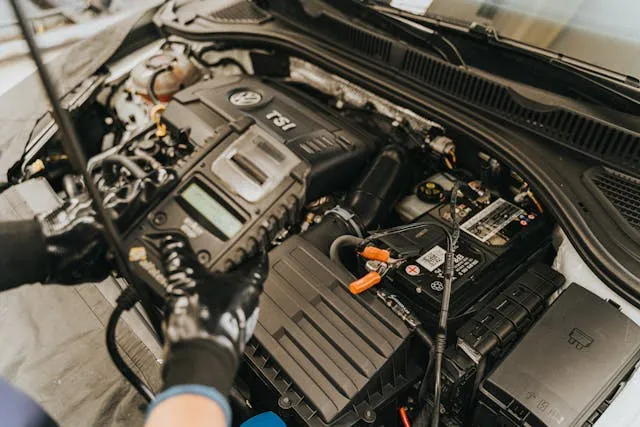
Tune-Up Services
Spark Plug Replacement
Steve uses the correct plugs for your vehicle, whether that is copper, iridium, or platinum. He checks the old plugs when he removes them. The condition of the plugs tells him a lot about how the engine is running and whether there are other issues to address.
Ignition Coil Inspection and Replacement
Modern engines use a coil-on-plug system with one coil per cylinder. When a coil fails, that cylinder misfires. Steve tests coils and replaces the ones that are failing. He does not replace all of them if only one is bad.
Air Filter Replacement
A clogged air filter restricts airflow to the engine and reduces fuel economy. It is one of the cheapest maintenance items on the car and one of the most commonly neglected. Steve checks it and replaces it if it is due.
Fuel System Cleaning
Carbon deposits build up on intake valves and fuel injectors over time, especially on direct-injection engines. A fuel system cleaning helps restore proper fuel delivery and combustion. Steve recommends this when symptoms suggest it is needed, not as a default upsell.
PCV Valve Inspection
The PCV (Positive Crankcase Ventilation) valve is a small, inexpensive part that gets overlooked. A stuck PCV valve can cause rough idle, oil consumption, and sludge buildup. Steve checks it as part of a tune-up service.
OBD-II Scan
Steve scans for fault codes before and after the tune-up. If there are misfires stored in the computer, the scan tells him which cylinder is affected and helps confirm the repair resolved the issue.
Tune-Up FAQ
It depends on the plug type. Copper plugs typically last 30,000 miles. Iridium and platinum plugs can last 60,000 to 100,000 miles. Check your owner's manual for the manufacturer's recommendation. If you do not know when they were last changed and the car has high mileage, it is worth checking them.
Possibly. A misfire code (P0300 through P0308) combined with rough running often points to a bad spark plug or ignition coil. Steve will scan the codes first to confirm before recommending a tune-up. If it is something else, he will tell you.
Yes. Turbocharged engines need the same basic ignition maintenance as naturally aspirated engines. Some have more difficult spark plug access, but Steve handles these regularly.