Rough Ride or Clunking? Steve Finds the Problem.
Worn suspension components affect how your car handles, brakes, and wears its tires. Steve inspects and repairs suspension systems at your location.
It Is Not Just About Ride Comfort
People often think of suspension as a comfort issue. The car bounces too much, the ride is rough, it feels loose. Those are real symptoms, but worn suspension components also affect safety. Bad ball joints change how the car responds to steering inputs. Worn tie rods cause the wheels to wander. Failed shocks extend stopping distances because the tires are not staying in firm contact with the road.
Fallbrook and the surrounding area have a lot of roads that are hard on suspension. Gravel driveways, ranch roads, the hills on Old Highway 395, the dips on Mission Road. Steve sees a lot of suspension wear on vehicles that spend time on these roads, and he knows what to look for.
He inspects the full suspension system and tells you what is worn, what is borderline, and what is fine. You get a clear picture before any money changes hands.
Suspension Services
Shocks and Struts
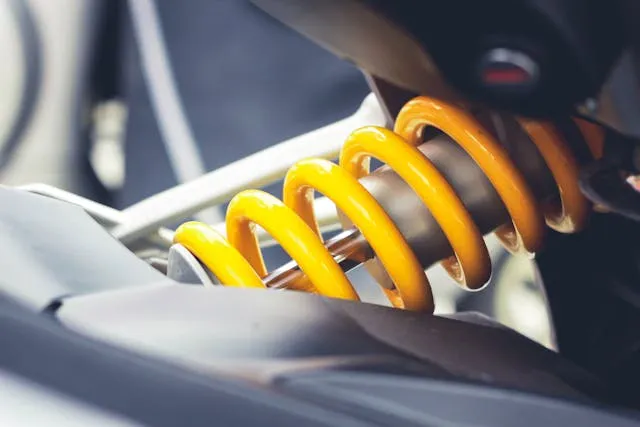
Shocks and struts control how much the vehicle bounces after hitting a bump. Worn shocks make the car feel floaty and extend stopping distances. Most manufacturers recommend inspection at 50,000 miles and replacement by 75,000 to 100,000 miles depending on driving conditions.
Ball Joints
Ball joints connect the control arms to the steering knuckles. When they wear out, you may hear clunking over bumps or feel looseness in the steering. A severely worn ball joint can separate, which causes loss of control. Steve checks ball joint play and replaces them when needed.
Tie Rods
Tie rods connect the steering rack to the wheels. Worn tie rods cause the steering to feel loose or the car to wander. They also cause uneven tire wear. Steve checks inner and outer tie rods and replaces them in pairs when they are worn.
Control Arm Bushings
Bushings are rubber or polyurethane cushions that allow the suspension to move while absorbing vibration. When they crack and deteriorate, you get clunking, vibration, and imprecise handling. Bushing replacement is a common repair on higher-mileage vehicles.
Sway Bar Links and Bushings
The sway bar reduces body roll in corners. Worn sway bar links and bushings cause a knocking or rattling noise, especially over speed bumps or uneven pavement. This is a relatively inexpensive repair that makes a noticeable difference in how the car feels.
Wheel Bearings
A failing wheel bearing makes a humming or grinding noise that changes with vehicle speed. It can also cause the wheel to wobble. Wheel bearings are a safety item. Steve diagnoses and replaces them on most vehicles on-site.
Suspension FAQ
It could be. Pulling can be caused by uneven tire pressure, uneven tire wear, a stuck brake caliper, or worn suspension components like a bad tie rod or control arm bushing. Steve checks all of these and finds the actual cause rather than guessing.
Clunking over bumps is usually a worn ball joint, tie rod, sway bar link, or strut mount. The location of the noise (front, rear, left, right) helps narrow it down. Steve can diagnose it during an inspection.
Yes, if the work involved components that affect wheel alignment, like tie rods, control arms, or struts. Steve will tell you if an alignment is needed after the repair. He does not perform alignments himself since that requires an alignment rack, but he will tell you where to go.