
Overheating Is Serious. Do Not Ignore It.
An overheating engine can destroy itself in minutes. Steve comes to your location, finds the cause, and fixes it before the damage gets worse.
One Overheating Episode Can Cost You an Engine
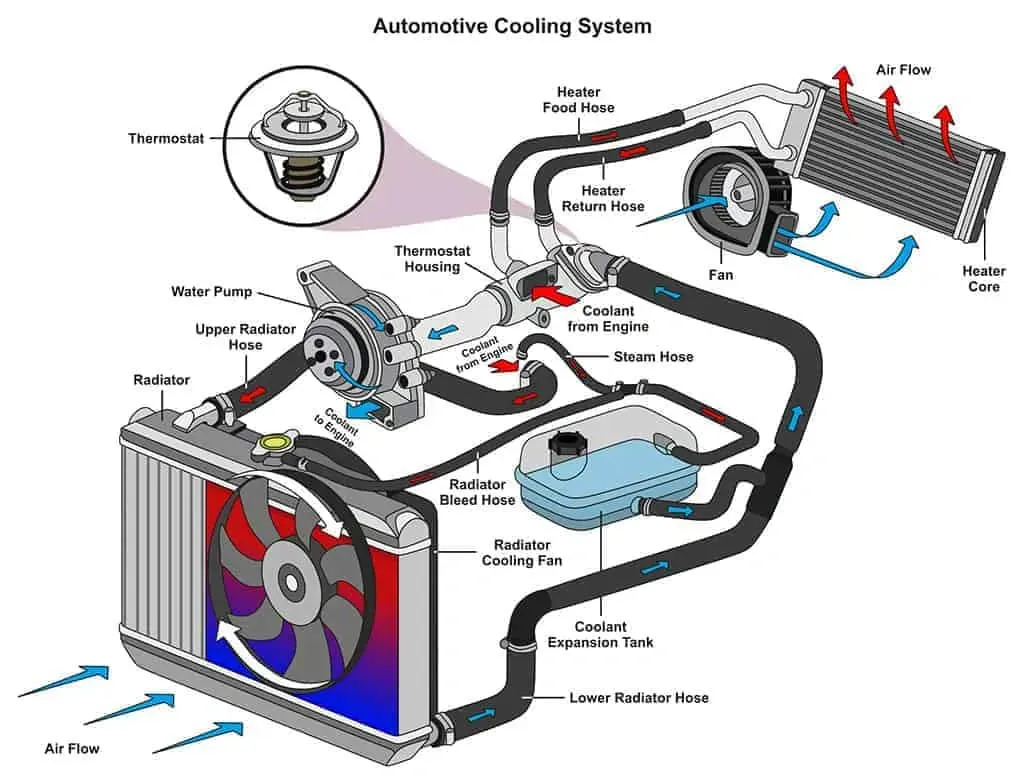
The cooling system keeps the engine from destroying itself. When it fails, temperatures spike fast. A head gasket can blow in a single overheating event. Aluminum cylinder heads can warp. In severe cases, the engine seizes entirely.
The frustrating part is that cooling system failures often start small. A slow coolant leak. A thermostat that sticks closed occasionally. A water pump that is just starting to weep. These are cheap repairs when caught early. They become expensive repairs when ignored.
Steve has seen a lot of engines in North County and Temecula that overheated on the 15 or the 76 in summer heat. He takes cooling system problems seriously and will tell you honestly whether the car is safe to drive before you leave.
Cooling System Services
Coolant Flush and Fill
Old coolant becomes acidic and starts corroding the system from the inside. Most manufacturers recommend a flush every 30,000 to 50,000 miles. Steve drains the old coolant, flushes the system, and refills with the correct coolant type for your vehicle.
Thermostat Replacement
The thermostat controls when coolant flows through the radiator. A stuck-closed thermostat causes rapid overheating. A stuck-open thermostat causes the engine to run too cold and reduces fuel efficiency. Thermostat replacement is a straightforward repair on most vehicles.
Water Pump Replacement
The water pump circulates coolant through the engine. When it fails, coolant stops moving and the engine overheats. Signs of a failing water pump include coolant leaks from the front of the engine, a whining noise from the pump bearing, or overheating with no other obvious cause.
Radiator Repair and Replacement
A cracked or leaking radiator needs to be replaced. Steve can replace radiators on most vehicles on-site. He also checks the radiator cap, which is a common failure point that gets overlooked.
Hose Replacement
Upper and lower radiator hoses, heater hoses, and bypass hoses all degrade over time. A burst hose will dump your coolant in minutes. Steve inspects hoses as part of any cooling system service and replaces ones that are cracked, soft, or swollen.
Head Gasket Diagnosis
If the engine has already overheated, Steve checks for head gasket damage. Signs include white smoke from the exhaust, coolant in the oil (milky residue on the dipstick), or bubbles in the coolant reservoir. He will tell you honestly what he finds.
Cooling System FAQ
Yes. A temperature gauge that is running higher than normal is a warning sign. It means the cooling system is working harder than it should. Get it checked before it goes into the red. Catching it now is much cheaper than dealing with it after the engine overheats.
That sweet smell is coolant. Ethylene glycol has a distinctive sweet odor. If you can smell it, there is a leak somewhere. It may be small right now, but coolant leaks do not seal themselves. Find it and fix it before you lose enough coolant to overheat.
Yes, but Steve will need to assess the damage first. If the engine overheated severely, there may be head gasket or head damage that needs to be addressed before just fixing the cooling system component that failed. He will give you an honest assessment of what you are dealing with.