
Seasonal Car Maintenance Guide for Southern California
People who move to Southern California from colder climates usually think their car is going to have an easy life here. No ice, no road salt, no deep winter. And that is partly true. But inland North County has its own set of conditions that are genuinely hard on vehicles, and most people do not think about them until something breaks.
I have been doing mobile mechanic work in Fallbrook, Temecula, Escondido, and the surrounding area since 2007. Here is what I actually see season to season.
Summer Is the Hard One
Fallbrook regularly hits 95 to 105 degrees in July and August. Temecula and Escondido are not far behind. That kind of sustained heat is genuinely brutal on your vehicle in ways that are easy to miss until you are stranded on the side of the road.
Heat kills batteries faster than cold does. Most people do not know that. A battery that is three or four years old and tests fine in April can fail completely by August. I replace a lot of batteries in summer that people did not see coming.
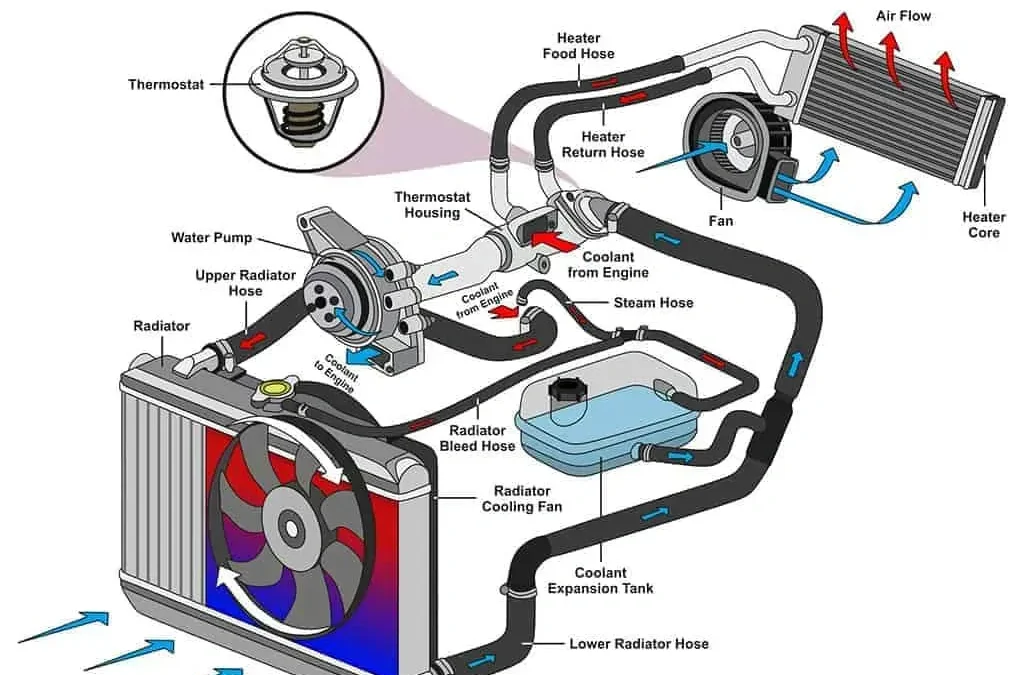
Cooling systems are the other big one. If your coolant has not been flushed in the last two years, or if your car is over 100,000 miles and you have never had the system pressure-tested, summer is when that catches up with you. An overheating engine on the 15 freeway in August is not a small problem. It can warp a head gasket or worse in minutes.
If your AC is not blowing cold, do not wait. Refrigerant leaks get worse, not better, and a failed compressor is a much bigger bill than a recharge and a leak repair.
Fall: The First Rain Is the Dangerous One
After five or six months of dry weather, the roads in this area are coated with a layer of oil, rubber dust, and debris. The first rain of the season turns that into something close to ice. Most of the weather-related accidents I hear about from customers happen in October and November, not January.
Before the rains start, check your tire tread. If you are below 3/32 of an inch, replace them. Check your wiper blades too. Wipers that sat in the sun all summer are usually cracked and streaky by the time you need them. And get a brake inspection if you have not had one in the last year. Wet roads need more stopping distance, and worn brakes make that worse.
Winter: Cold Mornings Matter More Than You Think
Fallbrook can drop below freezing overnight in December and January, especially up in the hills. We do not get snow, but cold starts are hard on batteries and on engines that have not had an oil change in a while. If your oil is dirty or low, a cold start circulates that dirty oil through the engine for longer before it warms up and flows properly.
Check that your coolant antifreeze protection is adequate. If you have been topping off with water instead of a proper coolant mix, you can end up with a system that is not protected at the temperatures we actually see here.
Spring: Reset After Winter
Spring is a good time to address anything that developed over the cooler months. Battery test if yours is three or more years old. Brake inspection if you did not do one in the fall. Tire pressure check, because pressure drops in cold weather and needs to be reset as temperatures rise.
It is also a good time to look at your wiper blades again. The ones you put on in fall took a beating in the winter rains. Replace them before they sit in the summer sun and crack.
The Basics That Apply Year-Round
Oil changes every 5,000 to 7,500 miles depending on your vehicle and oil type. Tire rotation every 6,000 to 8,000 miles. Air filter inspection once a year. These are not exciting, but they are what keeps a car running reliably at 150,000 miles instead of falling apart at 90,000.
For any of this in Fallbrook or the surrounding area, call or text me at (760) 468-2854. I come to your location and handle it on your schedule.