10 Most Common Check Engine Light Causes (And What They Cost to Fix)
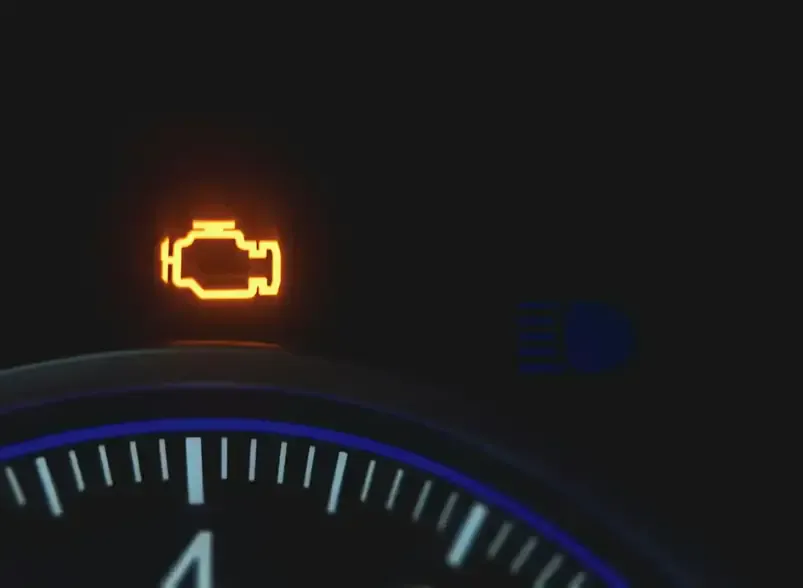
The check engine light comes on and most people either panic or ignore it. Both are the wrong reaction.
Panicking is wrong because it might be a loose gas cap. Ignoring it is wrong because it might be an active engine misfire that is destroying your catalytic converter right now. The light uses the same signal for both. The only way to know what you are actually dealing with is a proper OBD-II scan.
I have been doing mobile diagnostics in Fallbrook and North County since 2007. Here are the 10 causes I see most often, with honest estimates on what they cost to fix.
1. Loose or Faulty Gas Cap
Cost to fix: $0–$25
The most common and least expensive cause. A loose gas cap allows fuel vapors to escape, triggering the evaporative emission system monitor. Tighten or replace the cap and the light will clear after a few drive cycles. Always check this first.
2. Oxygen Sensor Failure
Cost to fix: $150–$300
O2 sensors monitor exhaust gases to help the engine management system optimize fuel mixture. A failed sensor causes poor fuel economy and can damage the catalytic converter if left unaddressed. Most vehicles have 2–4 O2 sensors.
3. Catalytic Converter Failure
Cost to fix: $400–$1,500+
The catalytic converter reduces harmful exhaust emissions. When it fails, often due to a neglected O2 sensor or engine misfire, it triggers a CEL and will cause you to fail a smog check. This is one repair where addressing the root cause first (often a bad O2 sensor or misfire) can save you from a much larger bill.
4. Mass Airflow Sensor (MAF) Failure
Cost to fix: $150–$400
The MAF sensor measures the amount of air entering the engine. A dirty or failed MAF causes rough idle, poor acceleration, and reduced fuel economy. Often, a dirty MAF can be cleaned rather than replaced.
5. Spark Plugs or Ignition Coils
Cost to fix: $100–$350
Worn spark plugs or a failing ignition coil cause engine misfires, which trigger the CEL, sometimes with a flashing light, which indicates an active misfire that can damage the catalytic converter. This is a common repair on vehicles with 60,000+ miles.
6. Evaporative Emission System (EVAP) Leak
Cost to fix: $100–$600
The EVAP system captures fuel vapors and routes them back into the engine. A leak anywhere in this system, from a cracked hose to a faulty purge valve, which triggers the CEL. Diagnosis requires a smoke test to find the leak location.
7. Thermostat Failure
Cost to fix: $150–$350
A stuck-open thermostat prevents the engine from reaching proper operating temperature, reducing efficiency and triggering the CEL. A stuck-closed thermostat causes overheating, which is a much more serious problem.
8. EGR Valve Issues
Cost to fix: $150–$400
The Exhaust Gas Recirculation (EGR) valve reduces NOx emissions by recirculating exhaust gases. Carbon buildup causes it to stick open or closed, triggering rough idle and a CEL. Often can be cleaned rather than replaced.
9. Transmission Issues
Cost to fix: $200–$3,000+
Transmission-related codes can trigger the CEL on many vehicles. These range from simple fluid issues to failing solenoids to more serious internal damage. Early diagnosis is critical. Transmission problems get worse (and more expensive) quickly.
10. Battery or Charging System Issues
Cost to fix: $100–$400
A weak battery or failing alternator can cause voltage fluctuations that trigger various warning lights including the CEL. If your CEL came on along with other electrical symptoms, start with a charging system test.
Steady Light vs. Flashing Light
A steady check engine light means get it diagnosed within the next few days. It is probably not an emergency, but you should not ignore it for weeks either.
A flashing check engine light is different. Stop driving. An active misfire is happening right now, and it can destroy a catalytic converter in under 30 minutes of driving. A catalytic converter replacement runs $400 to $1,500 depending on the vehicle. A tow and a diagnostic visit costs a lot less than that.
I carry professional OBD-II diagnostic equipment and come to your location anywhere in my service area. Call or text (760) 468-2854 and I will tell you what the codes actually mean.